
Galleria dell’Accademia di Firenze: Tickets and Info
This website offers official tickets for this venue. Please note, however, that it is not the official website of the venue.

Smartphone tickets

Priority Access Available

Instant confirmation
Smartphone tickets
Why wait?
Instant confirmation
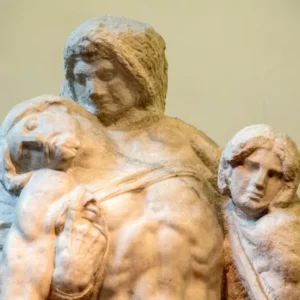
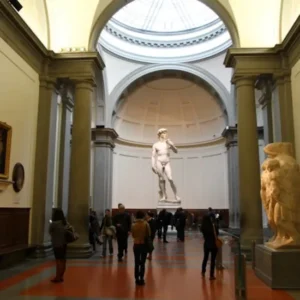
Academy Gallery: Priority entrance ticket
Highlights
Bypass the usual queues with priority entrance.
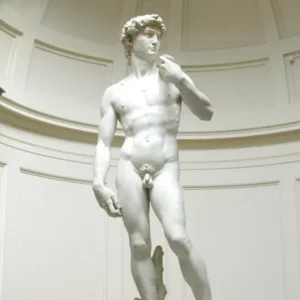
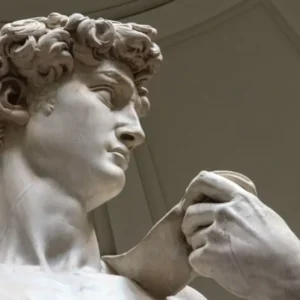
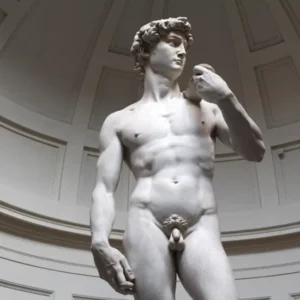
Admire the iconic statue of David sculpted by Michelangelo.
Experience the museum’s extensive permanent collections.
Enjoy temporary exhibitions alongside Renaissance art.
Explore some of Florence’s most celebrated artworks and sculptures.
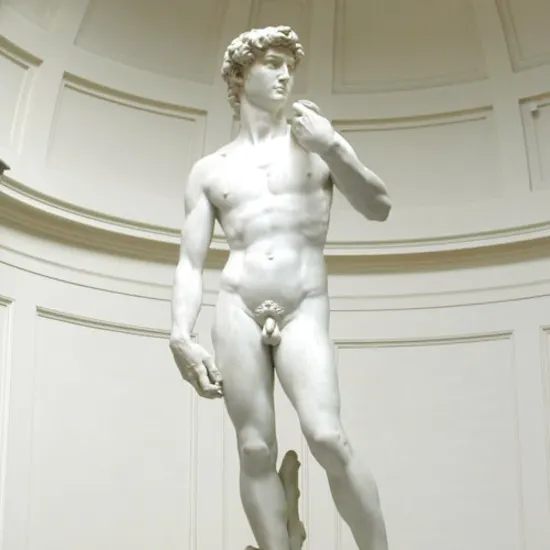
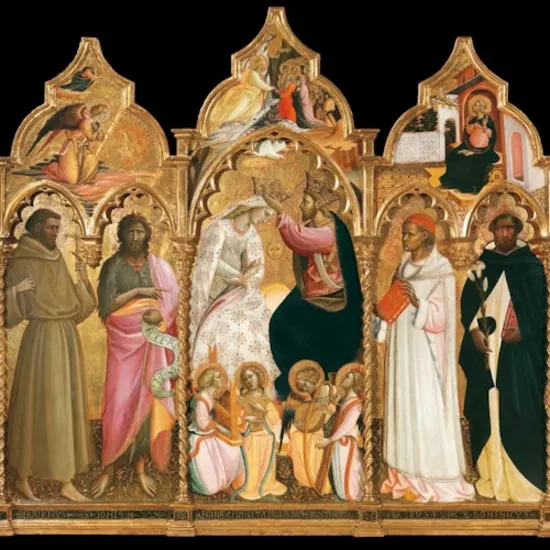
Florence: Priority access to the Academy and guided tour
Highlights
Get early access to admire Michelangelo’s iconic David.
Enjoy expert insights from knowledgeable guides in multiple languages.
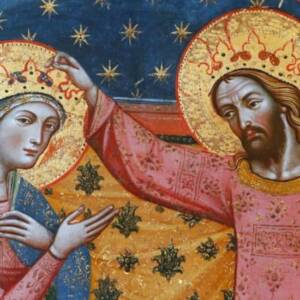
Discover masterpieces by Botticelli, Ghirlandaio, and other Renaissance artists.
Benefit from skip-the-line entry to maximize your visit.
Small to medium group sizes ensure a more personalized experience.
Galleria dell’Accademia di Firenze
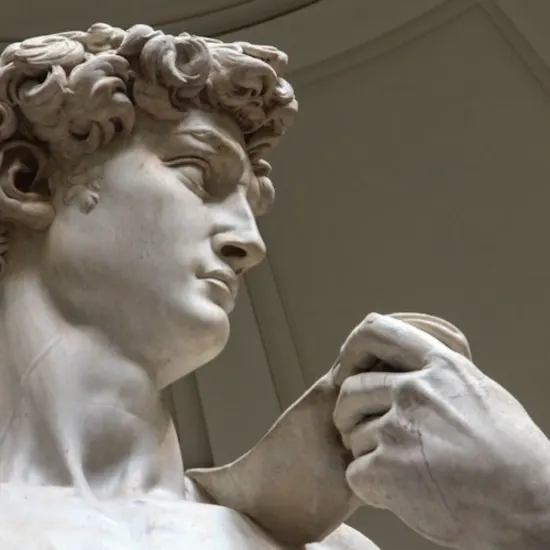
The Galleria dell’Accademia in Florence stands as a vital treasure of Renaissance art, renowned worldwide for housing Michelangelo’s iconic statue, “David.” This historic gallery offers visitors a unique opportunity to explore an exceptional collection that highlights Italy’s rich artistic heritage. Whether you are an art enthusiast or a curious traveler, securing your tickets in advance ensures a seamless visit to this cultural landmark. Don’t miss the chance to experience the masterpieces firsthand – purchase your tickets today.
About Galleria dell’Accademia di Firenze
Why Visit Galleria dell’Accademia di Firenze?
The Original Statue of David
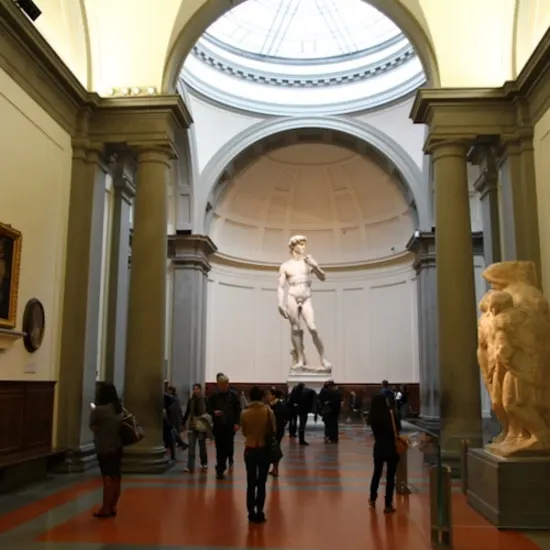
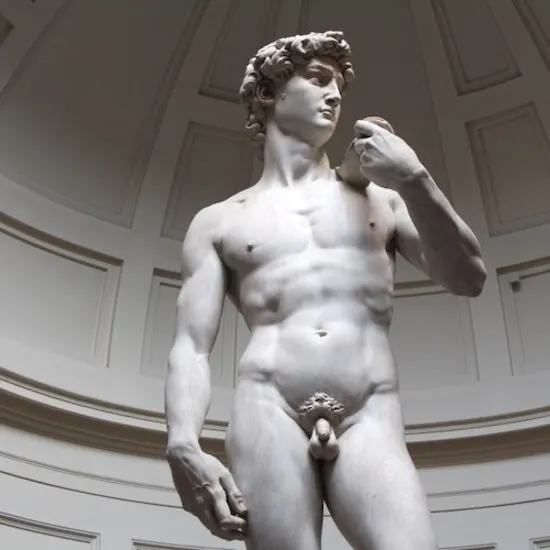
The gallery is the permanent home of Michelangelo’s David, arguably the most recognized sculpture in Western art. Moved here in 1873 to protect it from the elements, the marble masterpiece stands under a specially designed circular tribune that allows visitors to view it from every angle.
Michelangelo’s Unfinished Masterpieces
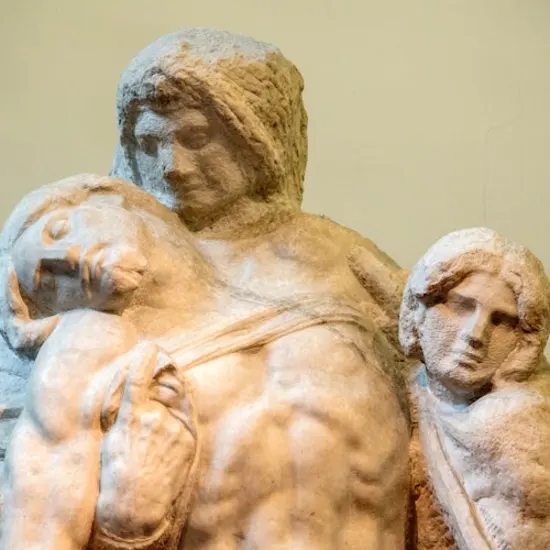
The Hall of the Prisoners displays four monumental sculptures known as the Slaves, which were intended for the tomb of Pope Julius II. These unfinished works offer a rare glimpse into Michelangelo’s "non finito" technique, showing figures seemingly struggling to emerge from the raw blocks of stone.
A Significant Collection of Musical Instruments
The Department of Musical Instruments houses an extraordinary collection from the Cherubini Conservatory, featuring items owned by the Medici and Lorena families. Highlights include a unique tenor viola and a cello crafted by Antonio Stradivari, alongside some of the earliest examples of the modern piano.
Masterpieces of Florentine Gothic Painting
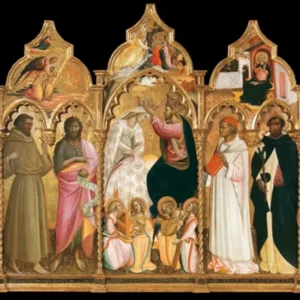
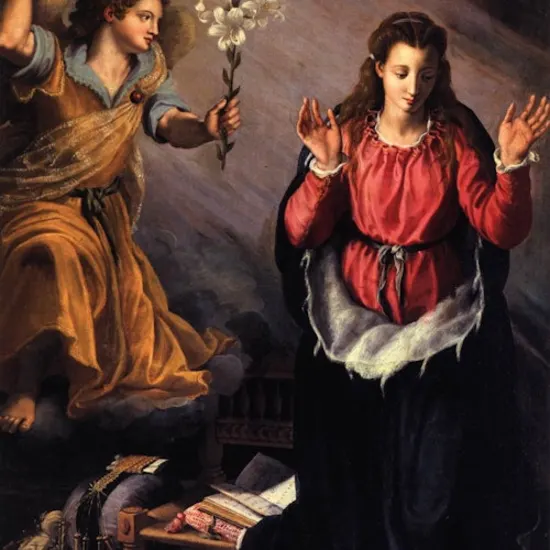
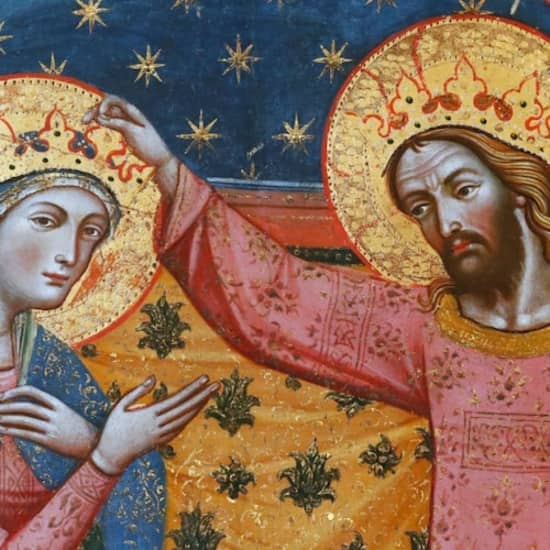
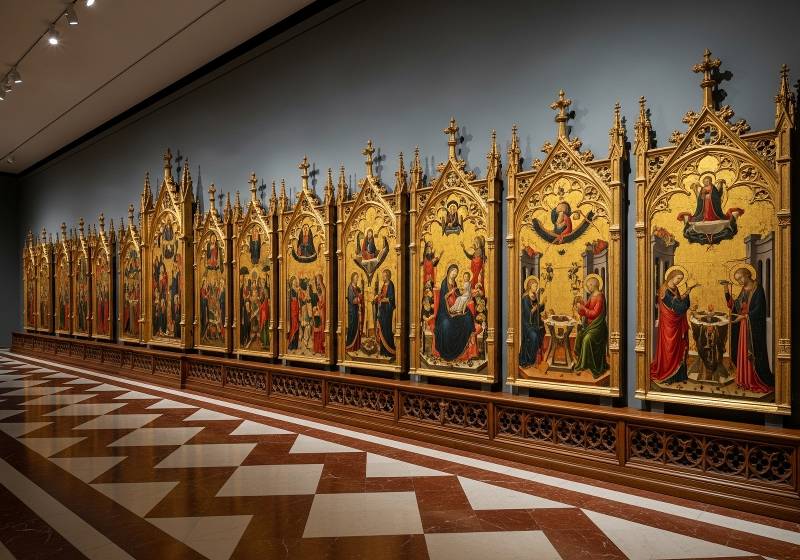
Beyond the sculptures, the museum contains an extensive collection of gold-ground paintings by Florentine masters from the 13th to the 15th centuries. These galleries provide essential historical context for the evolution of the Renaissance, featuring works by Giotto, Orcagna, and Lorenzo Monaco.
The Plaster Cast Gallery
The Gipsoteca Bartolini recreates the atmosphere of a 19th-century sculptor’s studio with hundreds of plaster casts by Lorenzo Bartolini and Luigi Pampaloni. This dense arrangement of busts and funerary monuments showcases the neoclassical aesthetic and the meticulous process behind marble portraiture.
Timings
How Do I Get There?
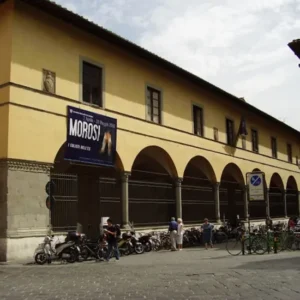
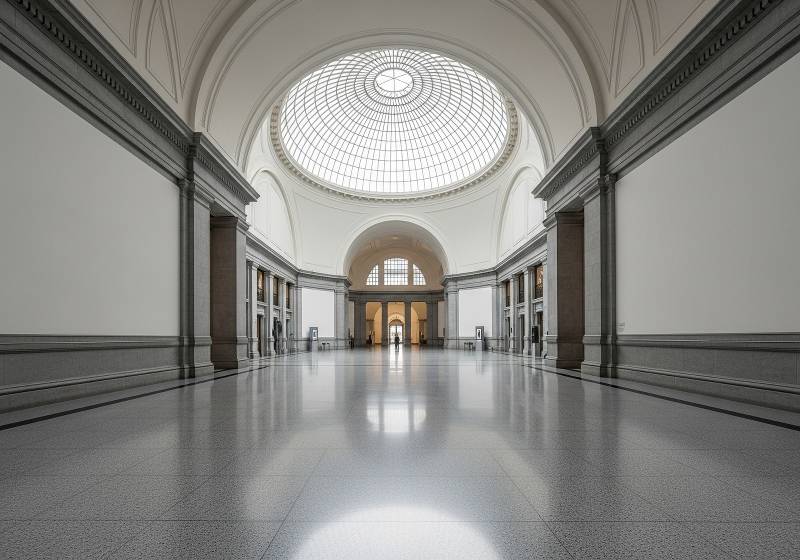
The Galleria dell’Accademia is located in the heart of Florence’s historic center. Given its central location, the museum is easily accessible by various modes of transport, though walking is often the most efficient method for those already in the city.
Address: Galleria dell’Accademia di Firenze Via Ricasoli, 58/60 50122 Firenze FI, Italy
- On Foot
- By Public Transport
- By Train
- By Car (and Parking)
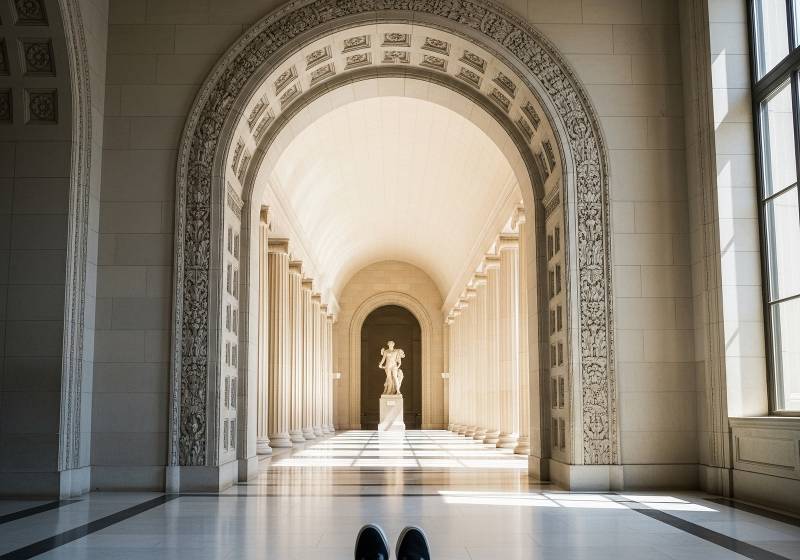
Things to Know Before Visiting the Galleria dell’Accademia
Advanced booking is highly recommended, as the gallery enforces a strict visitor capacity and walk-in wait times can exceed several hours during peak season.
Visitors with a reservation must present their ticket/voucher at the dedicated "Reserved Tickets" window to collect their physical entry passes before joining the security line.
A valid government-issued photo ID is required for all visitors, especially those who have purchased reduced-price or free youth tickets for verification purposes.
Large backpacks, suitcases, and non-foldable umbrellas are prohibited inside the galleries and must be stored in the free cloakroom near the entrance.
The museum is strictly closed every Monday, as well as on January 1st and December 25th.
Photography is permitted for personal, non-commercial use only, but the use of flash, tripods, or selfie sticks is strictly forbidden throughout the premises.
The museum layout is relatively compact, meaning a standard visit usually takes between 60 to 90 minutes to complete.
Proper attire is expected, and while there is no formal dress code, visitors should remain respectful of the cultural environment.
Water bottles are allowed only if they do not exceed 0.5 liters and must be kept inside a bag while walking through the exhibition halls.
Re-entry is not permitted under any circumstances once you have exited the museum building.
Additional Information
- Facilities
- Souvenir Stores
- Dining
Accessibility
Interesting Facts about The Galleria dell’Accademia di Firenze
The Galleria dell’Accademia was founded in 1784 by Grand Duke Pietro Leopoldo to provide local art students with a collection of historical works for study.
The statue of David was moved to the gallery in 1873 to protect it from weather damage after spending over 350 years outdoors in Piazza della Signoria.
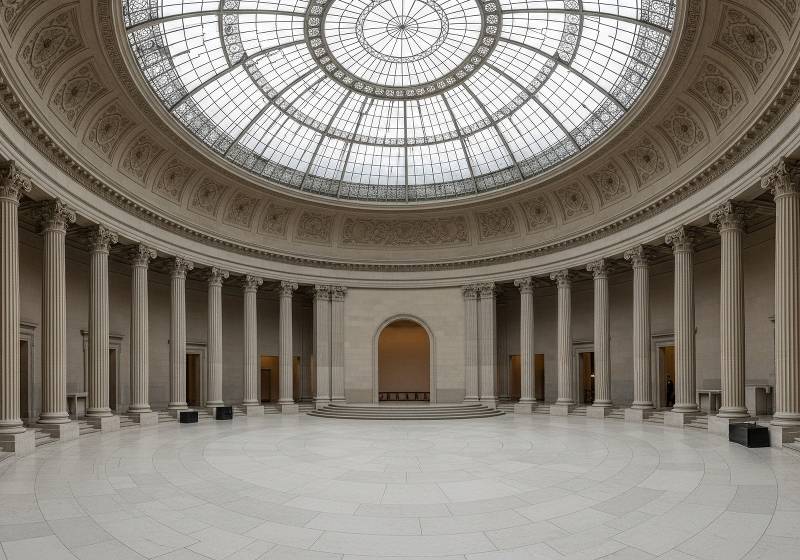
A custom-built circular hall known as the Tribune was designed by architect Emilio de Fabris specifically to house Michelangelo’s David.
The skylight directly above the David was carefully engineered to provide natural illumination that highlights the detailed anatomy of the sculpture.
The gallery houses the world's most significant collection of Michelangelo's sculptures, including his four unfinished Prisoners and the statue of Saint Matthew.
The Hall of the Prisoners displays marble works that still bear the visible chisel marks of Michelangelo’s tools from the 16th century.
Beyond sculpture, the museum holds the Department of Musical Instruments, which contains one of the world's most important collections of historic violins.
The musical collection includes a unique tenor viola and a cello made by Antonio Stradivari for the Grand Prince Ferdinando de’ Medici.
The museum’s Gipsoteca Bartolini contains over 400 plaster models that offer a rare look into a 19th-century sculptor’s workshop.
The gallery is home to the Cassone Adimari, a famous 15th-century painted chest panel that provides a detailed visual record of Renaissance Florentine fashion.
The collection includes the oldest known piano in the world, built by Bartolomeo Cristofori, the inventor of the instrument.
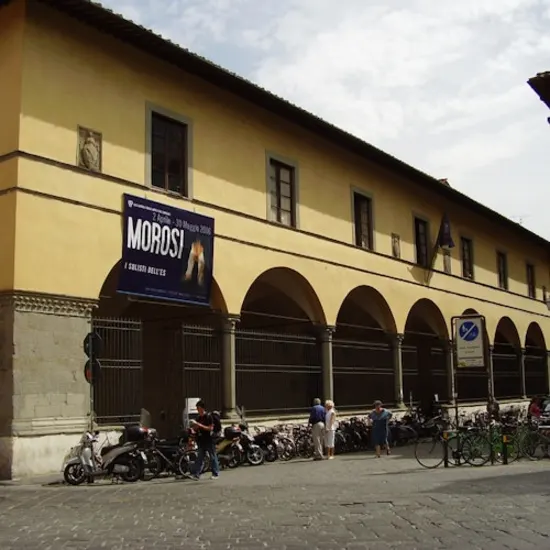
The museum building itself occupies the former premises of two ancient convents, the Hospital of Saint Matthew and the Convent of Saint Niccolò di Cafaggio.
The gallery's extensive collection of gold-ground paintings represents one of the most complete archives of Florentine art from the 13th to 15th centuries.
In 1991, the statue of David was damaged by a man with a hammer, leading to the installation of the protective glass barrier seen today.
The museum remains the second most visited art museum in Florence, consistently ranking just behind the Uffizi Gallery in annual attendance.
 English
  Italiano
  Español
  Français
  Deutsch
  Português